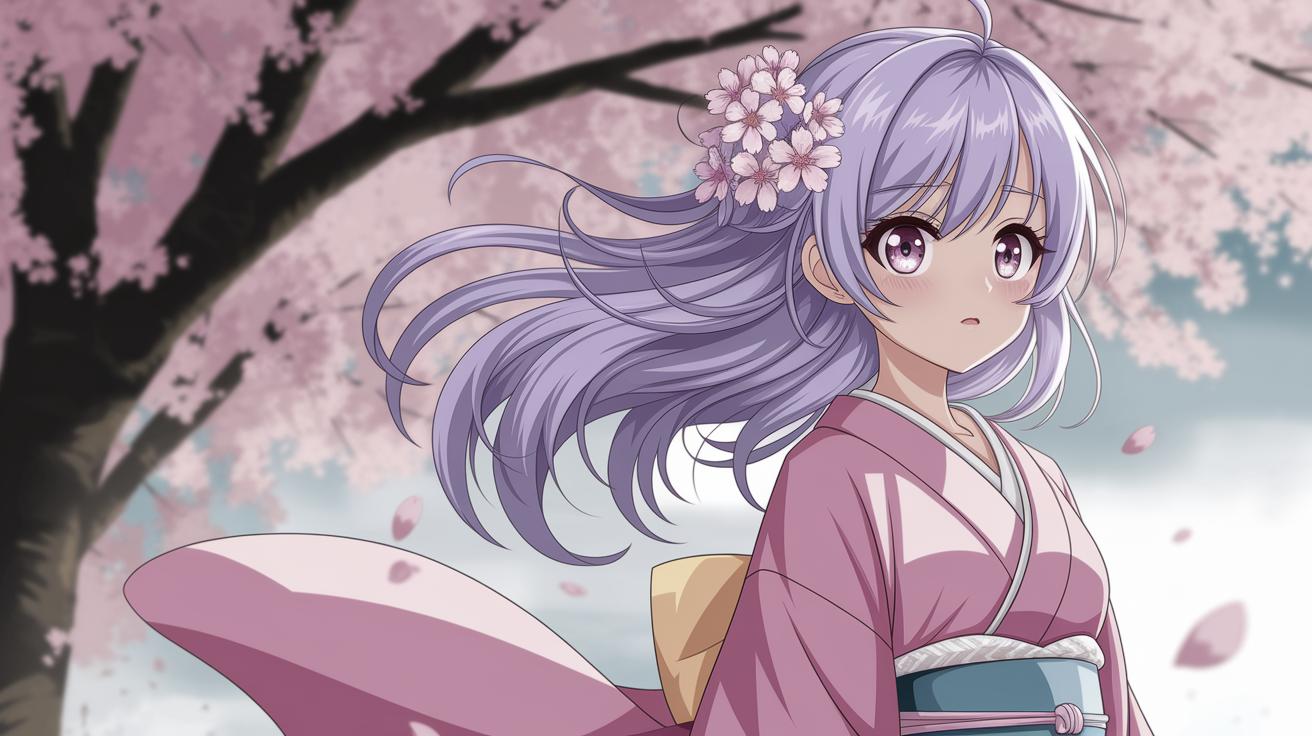
Exploring the World of Kawaii
Kawaii is a cultural phenomenon originating from Japan that has captured the hearts of enthusiasts worldwide. This blog post delves into the intricacies of what defines Kawaii, tracing its history and evolution through Japanese society. We’ll also explore how to adopt a Kawaii look, examining key aspects like clothing, accessories, makeup, and hair. Whether you’re new to the concept or a devoted fan, this post provides a comprehensive overview and insights into the playful, charming world of Kawaii.
What is Kawaii?
Kawaii, a term literally translating to “cute” in Japanese, is more than just an aesthetic; it’s a cultural ethos that celebrates childlike joy and innocence. It began as an aspect of Japanese culture and has since evolved into a widespread global trend influencing various facets of art, fashion, and lifestyle. Kawaii is often characterized by its use of bright colors, playful themes, and a subtlety that evokes warmth and friendliness.
The notion of Kawaii extends beyond appearance to encompass behavior, language, and even consumer products. It promotes a sense of heartwarming delight and simplicity. Whether in the form of animated characters, fashion choices, or everyday objects, Kawaii emphasizes a world where cuteness prevails, inviting people to regard the world through a lens of gentle whimsy.
The history of Kawaii
Origins and history of Kawaii
The concept of Kawaii finds its roots in Japan during the 1970s, when a stylized form of writing known as “kawaii style” emerged among teenage girls. This form of handwriting employed round characters with illustrations of hearts and faces, embodying a youthful, endearing aesthetic. This was a crucial beginning for Kawaii culture, setting a precedent for endearing cuteness in various forms.
As this trend gained traction, consumer companies started embracing Kawaii-style marketing and advertising. With the introduction of iconic characters like Hello Kitty, Kawaii rapidly integrated into the fabric of Japanese pop culture. This catalyzed an evolution from a niche interest to a global cultural export that continues to influence worldwide trends.
Evolution of Kawaii in Japanese Society
Kawaii culture in Japan has undergone significant transformation over the decades. Initially a teenage subculture, it has been embraced by mainstream audiences, appearing in everything from high fashion to electronics. Its evolution is a reflection of Japan’s broader cultural trends, blending traditional elements with contemporary innovation.
Through the 1980s and 1990s, Kawaii expanded from niche fashion into various industries such as media, gaming, and technology. Merchandising of Kawaii characters became prominent, with products ranging from plush toys to electronic gadgets. Today, it remains a dynamic component of Japanese culture, influencing everything from government campaigns to corporate branding strategies.
How to get a Kawaii look
1. Clothes
Fashion is a key element of the Kawaii aesthetic, and clothing plays a pivotal role in creating a Kawaii look. Opt for bright, pastel colors and playful patterns like polka dots and florals. Layering is essential, using frills, lace, and oversized silhouettes to create a soft and whimsical appearance.
Popular styles within Kawaii fashion include Lolita, Decora, and Gyaru, each contributing unique elements and interpretations of cuteness. Mixing and matching different styles allows one to infuse personal flair while maintaining a distinct Kawaii feel. Accessories such as bows, badges, and colorful socks are commonly paired with these outfits to complete the look.
2. Accessories
Accessories are integral to achieving a Kawaii look, enhancing the playful and cute aspect of one’s ensemble. Oversized bows, whimsical hair clips, and statement necklaces are typical choices. Look for pieces adorned with cute characters, pastel colors, and playful motifs like stars or hearts to embody youthful exuberance.
Bags and purses often feature iconic Kawaii characters or are shaped in fun and imaginative forms, like animals or desserts. Sunglasses, hats, and colorful scarves also add layers of charm and playfulness to the overall style, making them staple accessories in any Kawaii-inspired wardrobe.
3. Make-up
Kawaii makeup focuses on creating a youthful and soft appearance. Start with a dewy, flawless foundation to achieve a porcelain-like complexion. Blush is used prominently, typically in pink or peach tones, to give the appearance of a natural, innocent flush.
Eyes are a focal point in Kawaii makeup. Use pastel eyeshadows and subtle eyeliners to create round, dolly eyes. Many opt for enlarged contact lenses, often in vivid colors, to enhance their eye size and impart a cartoonish charm. Finish the look with a glossy, gradient lip effect to complete the adorable appeal.
4. Hair
Hair is another vital component of a Kawaii transformation. Popular styles include bouncy curls, soft waves, and cute pigtails or buns adorned with hair accessories like bows or plush clips. Pastel hair colors such as pink, lavender, and mint green are prevalent, contributing to the ethereal quality of the Kawaii look.
Experimenting with wigs is also common, allowing for bold changes without commitment. Hair extensions and colored streaks can add additional texture and depth, perfectly aligning with the playful essence that Kawaii embodies.
5. Inspirations and references
For those seeking inspiration, there are myriad influences and references available within the realm of Kawaii. Pop culture icons like Hello Kitty, and Pokemon, provide a starting point. Additionally, Kawaii street fashion is richly documented through platforms like Instagram, Pinterest, and dedicated fashion blogs.
Art and animation also play a significant role in shaping Kawaii trends. Notable artists and designers contribute to the ever-evolving aesthetic, offering limitless ideas for those looking to personalize their Kawaii style. Emulating characters from anime, manga, and pop culture music idols allows enthusiasts to capture the multifaceted nature of Kawaii.
Summary of Main Points
| Section | Main Points |
|---|---|
| What is Kawaii? | A cultural ethos of cuteness originating from Japan; involves aesthetics, behavior, and products. |
| The history of Kawaii | Originated in the 1970s Japan; evolved from stylized handwriting to a cultural trend with global impact. |
| How to get a Kawaii Look | Includes distinctive elements of fashion, makeup, accessories, and hair inspired by cultural icons and trends. |